Best AI SEO Tools for Brand Visibility in ChatGPT & AI Search (2026 Guide)
Let’s be real.
The era of “10 blue links” is over.
In 2026, people don’t browse. They ask. And AI answers.
Instead of scrolling through search results, users open interfaces like ChatGPT or Perplexity AI and get a summarized response in seconds. No tabs. No comparison shopping. Just one clean answer.
Here’s the catch.
If that answer doesn’t mention your brand, you don’t exist.
That’s the problem most businesses still haven’t realized. They’re optimizing for rankings while AI is optimizing for summaries. If an AI tool explains your industry and your name never shows up, your competitors just won the conversation.
This is where AI SEO tools for brand visibility in ChatGPT come in.
These aren’t traditional rank trackers. They’re tools for:
- Tracking mentions in AI answers
- Monitoring citations
- Measuring Share of Model
- Understanding how AI “sees” your brand
Because the real battle now isn’t position #1.
It’s position inside the answer.
And if you’re serious about growth, you need tools for brand visibility in AI answers, not just keyword tools. You need platforms that help you see when AI interfaces talk about you, cite you, or ignore you completely.
That’s exactly what this guide is.
Think of it as your survival kit for the AI era. The tools listed here are designed for one thing: helping your brand become part of the response inside AI interfaces like ChatGPT.
You’ll also discover the best tools for monitoring brand visibility in AI interfaces like ChatGPT, so you’re not guessing whether your strategy is working.
AI Citation Reality Check:
Visibility in 2026 = Citations + Mentions.
If AI doesn’t cite you or mention you, you’re invisible—no matter how strong your traditional SEO looks.
The game has changed.
Now let’s talk about the tools that actually help you win it.
You can also Check Our How to Improve Brand Visibility in AI Search Engines Guide
Table of Contents
What Are AI SEO Tools for Brand Visibility?
AI SEO tools for brand visibility (also called GEO or Answer Engine Optimization tools) are platforms that track how often and how accurately your brand is mentioned, cited, or recommended inside AI-generated responses. They monitor systems like ChatGPT, Perplexity AI, and Google AI Overviews to measure your presence inside AI answers—not just search rankings.
That’s the core shift.
Traditional SEO vs. AI Tracking
Traditional SEO tracks the blue links.
You look at:
- Your ranking position
- Your traffic
- Your click-through rate
It’s a leaderboard. You either move up or down.
AI tracking is different.
It tracks the conversation.
Instead of asking, “Am I ranking #1?” you ask,
“Is the AI using my brand as the source of truth?”
These tools for brand visibility in AI answers don’t just show where you rank. They show whether you’re being mentioned, summarized, or cited when AI responds to real user questions.
That’s a completely different scoreboard.
The Visibility Trio: What These Tools Actually Find
Think of your brand like a digital reputation profile. These tools measure three core signals:
1️⃣ Brand Mentions
This is when the AI simply says your name in an answer. No link. No citation. Just recognition. It means you’re part of the conversation.
2️⃣ AI Citations
This is stronger. The AI links directly to your website as its proof or source. That’s trust. It’s the AI saying, “We got this information from them.”
3️⃣ AI Summaries
This is the shortlist effect. When someone asks for recommendations, the AI lists 3–5 brands—and you’re one of them. That’s prime visibility.
The best tools for monitoring brand visibility in AI interfaces track all three. Because in 2026, visibility isn’t about being on a page.
It’s about being inside the answer.
Why Brand Visibility in AI Search Matters in 2026
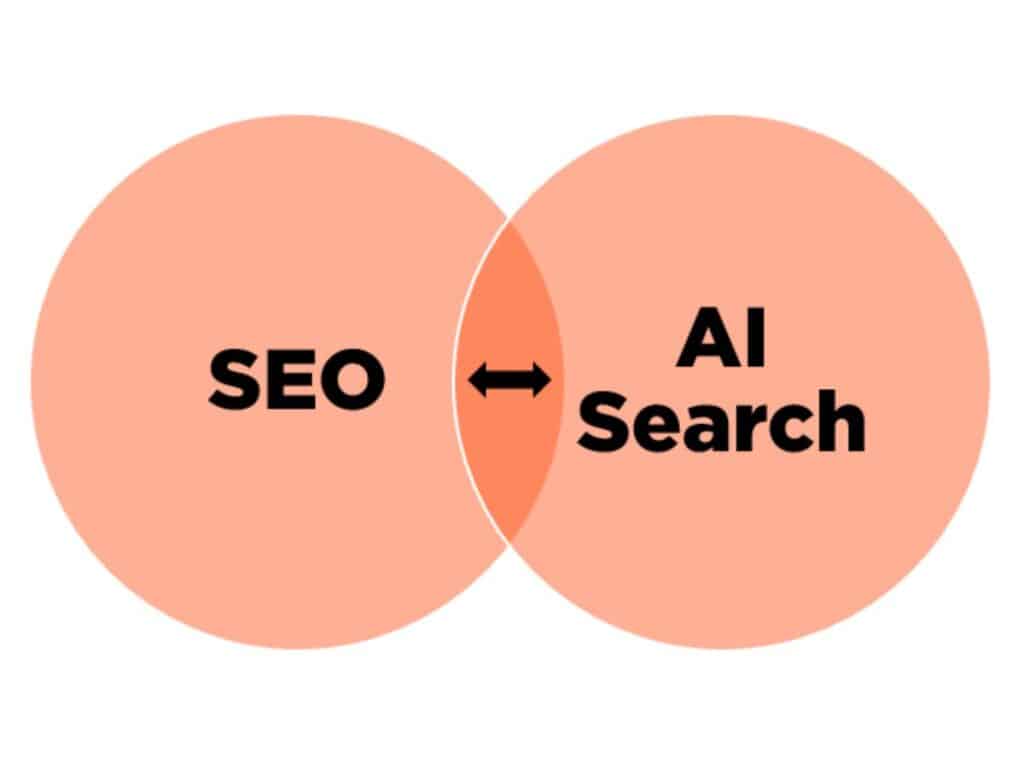
The game has changed.
Ten blue links aren’t enough anymore. If the AI provides the answer directly, your brand needs to be inside that answer—or you’re invisible.
That’s the shift behind brand visibility in AI search.
Most users now read the AI summary and move on. They don’t scroll. They don’t compare. They don’t click five websites.
Here’s the bottom line: if the AI doesn’t mention you, the buyer never considers you.
The New Reality in Plain English
- AI Answers Reduce Clicks
Users get what they need instantly from the AI summary. The only way to win is to be the brand mentioned in that response. - Citations Are the New Currency
A citation is the new #1 ranking. When AI links to you as its source, that “digital footnote” signals authority and trust. - Early Movers Get the Edge
Brands optimizing now are training the AI to recognize them. The more you’re mentioned today, the more likely you’re recommended tomorrow. - Ranking vs. Recognition
Old SEO was about fighting for position on a list. New AI search is about building a reputation strong enough that the AI chooses you without hesitation.
Key Features to Look for in AI SEO Tools
Not all “AI SEO tools” are built for 2026.
Some still track keywords and rankings like it’s 2018. That’s fine for traditional SEO—but it won’t tell you whether your brand shows up inside AI-generated answers.
A true AI visibility platform needs to go deeper. It must effectively eavesdrop on the conversations happening inside LLMs like ChatGPT, Google Gemini, and Perplexity AI.
Here’s what to look for before you invest.
AI Answer Monitoring
What it is: The tool scans real-time responses from multiple AI engines to see whether your brand is being suggested in answers.
Why it matters: If your brand never appears in AI-generated responses, your visibility problem starts there. This feature gives you direct evidence.
Citation Tracking
What it is: Identifies the specific URLs and sources AI systems use as proof when generating answers.
Why it matters: Citations are the new rankings. If competitors are being cited and you’re not, you know exactly where authority gaps exist.
Brand Mention Detection
What it is: Tracks both linked and unlinked mentions of your company name across AI platforms.
Why it matters: Even unlinked mentions signal recognition. This helps you measure presence beyond just backlinks.
Competitor Comparison (Share of Model)
What it is: Benchmarks how often your brand appears in AI answers compared to competitors.
Why it matters: Visibility is relative. If your competitor appears in 7 out of 10 AI answers and you appear in 2, the AI clearly “prefers” them.
AI Overview (AIO) Detection
What it is: Monitors how your brand appears inside AI-powered search summaries, including Google’s AI Overviews.
Why it matters: These summaries often eliminate clicks. If you’re not included here, you’re missing high-intent visibility.
Prompt-Based Testing
What it is: Lets you simulate customer-style questions to see which prompts trigger your brand—and which don’t.
Why it matters: This reveals blind spots. You can identify opportunities where better content or authority building is needed.
Reporting & Analytics Dashboard
What it is: A centralized dashboard that tracks AI visibility trends over time.
Why it matters: A one-time check isn’t enough. You need trend data to see if your strategy is improving your AI presence month over month.
Must-Have Comparison: Old Tools vs. 2026 AI Visibility Tools
| Feature Category | Basic Tool Features | 2026 AI Visibility Tool Features |
| Tracking Focus | Keyword rankings | AI mentions, citations, summaries |
| Visibility Metric | Page position | Share of Model (AI presence %) |
| Data Source | Search engine results pages | AI engines + AI Overviews |
| Competitive Insight | Backlink gap | AI recommendation frequency |
| Reporting | Traffic snapshots | Visibility trends across AI platforms |
Here’s the practical takeaway:
If a tool can’t show you how your brand performs inside AI engines, it’s incomplete for 2026.
These features aren’t “nice to have.” They’re the new baseline if you want to avoid spending money on tools that only see half the search landscape.
Best AI SEO Tools for Brand Visibility in ChatGPT & AI Search
If you’re investing in AI SEO tools for brand visibility, you need platforms that actually see inside AI interfaces—not just traditional SERPs.
The tools below stand out because they track performance across AI engines like ChatGPT, Google Gemini, Perplexity AI, and Claude. Each serves a slightly different buyer—from enterprise teams to startups watching every dollar.
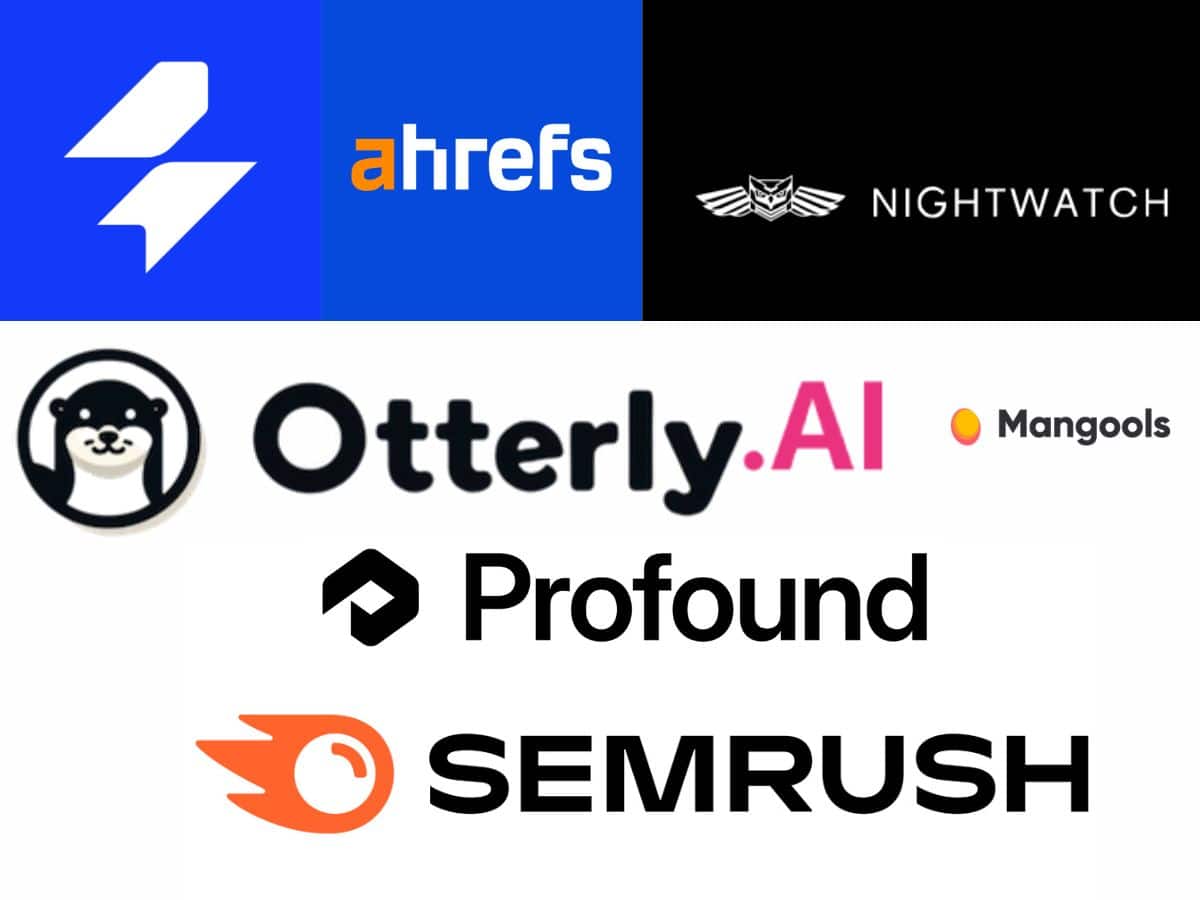
Profound
Overview:
Profound has positioned itself as the enterprise leader in AI visibility, largely due to its proprietary “Conversation Explorer.” In 2026, it’s one of the most advanced tools for monitoring brand visibility in AI interfaces at scale.
Key Features:
- Conversation Explorer for mapping AI answer patterns
- Real-time tracking across ChatGPT, Gemini, Claude, and Perplexity
- Citation source breakdown and authority scoring
- Enterprise-grade reporting with API access
How it Improves Visibility:
Profound surfaces exact prompts where your competitors are recommended but you are not, giving large brands a roadmap for closing authority gaps.
Pros & Cons:
- ✔ Deep data and strong enterprise reporting
- ✔ Excellent competitive benchmarking
- ✖ Steep learning curve
- ✖ Custom pricing may limit smaller teams
Best For: Enterprise brands and global marketing teams
Pricing Tier: Custom Enterprise
Nightwatch
Overview:
Nightwatch takes a unique approach by tracking the live web searches AI models perform before generating answers. That makes it particularly useful for understanding how AI systems gather information.
Key Features:
- Monitoring of live search queries triggered by AI engines
- SERP + AI answer correlation tracking
- Location-based AI result simulation
- Competitive keyword intelligence
How it Improves Visibility:
It shows which search results feed AI answers, helping you optimize the exact pages AI models rely on.
Pros & Cons:
- ✔ Strong technical SEO crossover
- ✔ Clear, data-focused UI
- ✖ Less focused on sentiment analysis
- ✖ May require SEO expertise to maximize value
Best For: Data-driven SEO teams
Pricing Tier: Starting at $39/mo
Otterly AI
Overview:
Otterly AI is a specialist platform built specifically for tracking Share of Voice in AI answers. It’s one of the most focused tools for brand visibility in AI answers.
Key Features:
- Share of Voice (“Share of Model”) tracking
- AI citation audits
- Brand mention detection (linked + unlinked)
- Cross-model tracking (ChatGPT, Gemini, Perplexity)
How it Improves Visibility:
Otterly highlights which competitors are cited more often and why, giving you a direct path to improving authority signals.
Pros & Cons:
- ✔ Focused, purpose-built AI tracking
- ✔ Clear competitive insights
- ✖ Limited traditional SEO tools
- ✖ Smaller ecosystem compared to legacy platforms
Best For: Brands focused specifically on AI answer dominance
Pricing Tier: Starting at $49/mo
Arvow
Overview:
Arvow has become an agency favorite thanks to unlimited prompt tracking and built-in sentiment analysis. It blends quantitative visibility data with qualitative tone monitoring.
Key Features:
- Unlimited prompt testing
- AI sentiment analysis (positive, neutral, negative)
- Multi-model monitoring (ChatGPT, Claude, Gemini)
- Automated competitor comparison
How it Improves Visibility:
It doesn’t just show if you’re mentioned—it shows how your brand is framed, helping agencies shape perception inside AI-generated answers.
Pros & Cons:
- ✔ Unlimited testing is a major advantage
- ✔ Strong reporting for clients
- ✖ Interface can feel dense
- ✖ May be overkill for small businesses
Best For: Boutique agencies and consultants
Pricing Tier: Starting at $79/mo
Semrush AI Visibility Toolkit
Overview:
The AI Visibility Toolkit from Semrush integrates directly into an existing SEO workflow. For teams already using Semrush, it’s the most seamless upgrade path.
Key Features:
- AI Overview monitoring
- Brand mention tracking inside AI answers
- Backlink-to-citation correlation
- Unified dashboard with SEO + AI metrics
How it Improves Visibility:
It connects your existing keyword and backlink strategy to performance inside AI interfaces, reducing siloed reporting.
Pros & Cons:
- ✔ All-in-one ecosystem
- ✔ Familiar UI for existing users
- ✖ AI features still evolving
- ✖ Higher pricing tiers
Best For: Established SEO teams
Pricing Tier: Starting at $129/mo (with toolkit add-on)
Ahrefs Brand Radar
Overview:
Ahrefs entered the AI space with Brand Radar, focusing heavily on backlink-driven citation tracking. It leverages Ahrefs’ deep link database.
Key Features:
- AI citation source tracking
- Backlink authority correlation
- Share of Model comparison
- Historical brand mention tracking
How it Improves Visibility:
It identifies which high-authority domains are influencing AI answers, allowing you to prioritize outreach strategically.
Pros & Cons:
- ✔ Best-in-class backlink data
- ✔ Strong data reliability
- ✖ Less focused on prompt simulation
- ✖ Premium pricing
Best For: Brands investing heavily in digital PR
Pricing Tier: Starting at $99/mo
Mangools AI Search Watcher
Overview:
Mangools offers an affordable AI Search Watcher designed for startups and lean teams. It prioritizes simplicity over enterprise depth.
Key Features:
- Basic AI mention tracking
- Google AI Overview detection
- Competitor comparison
- Clean, beginner-friendly dashboard
How it Improves Visibility:
It provides a baseline snapshot of AI presence without overwhelming users with advanced metrics.
Pros & Cons:
- ✔ Affordable entry point
- ✔ Excellent UI
- ✖ Limited cross-model depth
- ✖ Fewer enterprise integrations
Best For: Budget-conscious startups
Pricing Tier: Starting at $29/mo
SE Ranking AI Tracker
Overview:
SE Ranking stands out for its focused monitoring of Google’s AI Overviews. If your primary concern is Google’s AI summaries, this tool is purpose-built.
Key Features:
- Dedicated AI Overview tracking
- Brand inclusion alerts
- SERP + AIO comparison view
- Trend-based reporting
How it Improves Visibility:
It shows whether your brand appears inside Google’s AI-generated summaries—often the highest-visibility position in search.
Pros & Cons:
- ✔ Strong Google-focused monitoring
- ✔ Competitive pricing
- ✖ Less comprehensive across non-Google models
- ✖ Limited sentiment analysis
Best For: Brands prioritizing Google AI search
Pricing Tier: Starting at $55/mo
Final Buying Insight
The right choice depends on your objective:
- If you’re scaling globally → Profound
- If you’re blending SEO + AI visibility → Semrush or Ahrefs
- If you’re focused purely on tools for brand visibility in AI answers → Otterly AI or Arvow
- If budget matters → Mangools or SE Ranking
The common thread? Every tool listed here goes beyond rankings and into true AI answer visibility—which is quickly becoming the new baseline for search strategy.
Comparison Table of AI SEO Tools
When you’re evaluating tools for monitoring brand visibility in AI interfaces, the goal isn’t to find the most features—it’s to find the right depth for your business model.
Here’s a side-by-side breakdown to simplify the decision.
| Tool | AI Answer Tracking | Citation Monitoring | Competitor Analysis | Reporting | Best For |
| Profound | Live + Prompt-based | Advanced | Deep | Real-time + Enterprise Dashboard | Enterprise brands |
| Nightwatch | Live web tracking | Yes | Intermediate | Standard + Live overlays | Technical SEO teams |
| Otterly AI | Daily + Prompt-based | Advanced | Deep (Share of Voice focus) | Clean Dashboard | Brands focused on AI answer dominance |
| Arvow | Unlimited Prompt-based | Yes | Deep + Sentiment | Client-ready Dashboard | Agencies managing multiple clients |
| Semrush (AI Toolkit) | Daily + Integrated | Yes | Deep (SEO-integrated) | Unified SEO + AI Dashboard | Existing Semrush users |
| Ahrefs (Brand Radar) | Daily | Advanced (Backlink-driven) | Deep | Standard + Historical Trends | Digital PR & link-focused brands |
| Mangools (AI Watcher) | Daily | Basic | Basic | Simple Dashboard | Budget-conscious startups |
| SE Ranking (AI Tracker) | Daily (Google-focused) | Yes | Intermediate | Trend Dashboard | Google AI Overview-focused brands |
How to Choose the Right Tool
Here’s the honest answer: there isn’t one universal “best” platform.
If you’re a solo business owner on a tight budget and just want visibility into whether you’re appearing in AI search results, start with Mangools. It gives you a baseline without overwhelming you.
If you’re running an agency with ten clients and need structured prompt testing, reporting, and sentiment analysis, Arvow will save you serious time. If your team already lives inside an established SEO suite, Semrush or Ahrefs makes more sense because you won’t be juggling multiple dashboards.
Enterprise teams that care about deep competitive intelligence and large-scale AI monitoring should look closely at Profound. It’s built for complexity.
And here’s the strategic fork in the road:
- If your priority is appearing in answers inside platforms like ChatGPT or other AI interfaces, choose a tool with strong prompt-based testing and Share of Voice tracking.
- If your priority is dominating Google’s AI Overviews specifically, SE Ranking offers focused monitoring where it matters most.
The best methods for tracking brand visibility in AI search results depend on where your customers are asking questions. Start there—and choose the tool that watches those conversations most closely.
Final Verdict
Best Overall: Semrush is the top choice for most businesses because it combines AI visibility, SEO integration, and easy-to-read dashboards in one platform. It delivers actionable insights without overwhelming your team.
Best for Startups: Mangools is ideal if you want results without the high price tag. Its user-friendly interface and essential AI monitoring features make it perfect for small teams.
Best for Agencies: Arvow is the tool to choose for managing multiple clients and performing unlimited prompt testing. It tracks visibility and sentiment across AI models efficiently for agency workflows.
Best for Enterprises: Profound is the heavy-hitter built for scale, offering deep AI answer monitoring, advanced citation tracking, and enterprise-level security. For those managing a large portfolio, it provides the most comprehensive insights.
FAQs
What are the best AI SEO tools for brand visibility in ChatGPT and other AI search engines?
The top tools include Semrush AI Visibility Toolkit, Profound, Arvow, Otterly AI, Ahrefs Brand Radar, Nightwatch, Mangools AI Search Watcher, and SE Ranking AI Tracker. Each offers different strengths, from prompt-based tracking to Google AI Overview monitoring, depending on your business size and goals.
How do tools track brand visibility in AI answers and summaries?
They monitor AI engines like ChatGPT, Perplexity, Gemini, and Claude to see when your brand is mentioned, cited, or included in AI-generated summaries. Methods include prompt-based testing, live answer monitoring, citation tracking, and share-of-voice analysis.
Can traditional SEO tools monitor AI search visibility and performance?
Not fully. Traditional SEO tools focus on keyword rankings, backlinks, and traffic, while AI visibility tools track mentions, citations, and AI summaries, which are now crucial in the zero-click, AI-driven search landscape.
What is the difference between AI SEO and traditional SEO tools and methods?
Traditional SEO optimizes for search result rankings and clicks, whereas AI SEO focuses on being recognized and cited by AI engines. The emphasis is on visibility in answers, trust signals, and authoritative content, not just page placement.