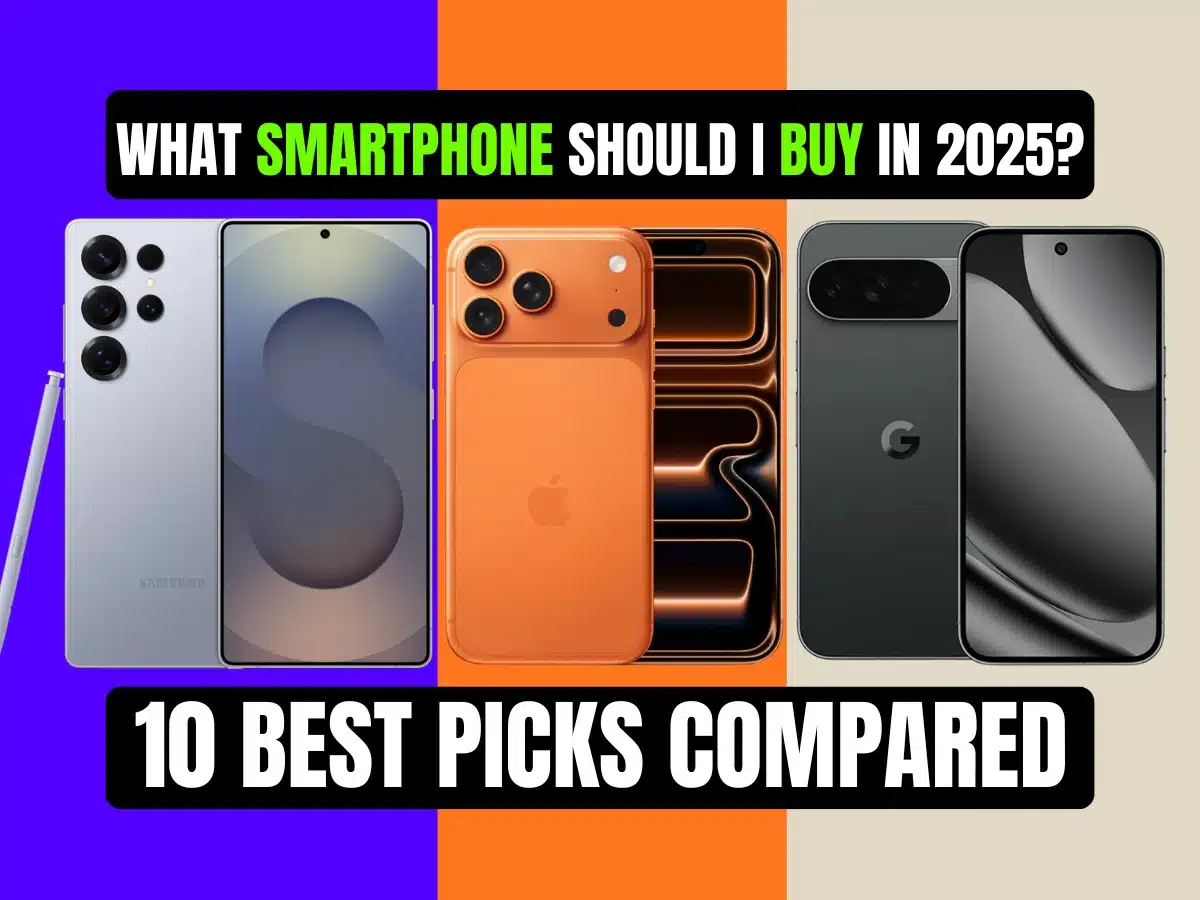
What Smartphone Should I Buy in 2025? 10 Best Picks Compared
Introduction: Navigating the Overwhelming Smartphone Market
what smartphone should I buy in 2025? Navigating the overwhelming smartphone market feels like an impossible task. You’re bombarded with endless options, each promising revolutionary cameras, blistering speed, and all-day battery life. How do you cut through the marketing hype to find the phone that’s truly perfect for your life, not just a spec sheet? The problem isn’t a lack of information, but an overwhelming excess of it, often filled with technical jargon that makes comparison frustrating.
This guide is the solution. We have tested, analyzed, and compared the top contenders to bring you a clear, authoritative list of the 10 best smartphones of 2025. You will learn which phone excels in photography, which offers unbeatable value, and which is the outright performance king. For a deep dive into two of this year’s most innovative models, check out our detailed comparison of the iPhone 17 vs Samsung Galaxy Z Flip 6. By the end of this article, you will have all the knowledge needed to make a confident purchase decision that you will not regret
What You Need to Know Before You Buy (Your Personal Prerequisites)
Before diving into the list, take a moment to define your own needs. Asking these simple questions will make your choice much clearer:
- What is your budget? Set a realistic range. Flagship phones now exceed $1,200, but phenomenal mid-range options exist between $500 and $800.
- What is your top priority? Rank these in order of importance: Camera Quality, Battery Life, Display Quality, Raw Performance, Software Updates, Unique Features (like a foldable screen or stylus).
- What ecosystem are you in? If you own a Mac, iPad, or Apple Watch, an iPhone offers seamless integration. Android users enjoy more hardware choice and deeper customization.
- How long do you keep your phones? If you upgrade every 3-4 years, prioritize phones with long software support promises (now up to 7 years for some models).
The Theory: Why Specs Tell Only Half the Story
In the tech world, it is easy to get lost in megapixel counts, GHz speeds, and mAh ratings. While important, these numbers rarely paint the full picture of the user experience. The “theory” behind a great smartphone is the harmonious integration of hardware, software, and ecosystem.
A phone with a giant camera sensor can still take mediocre photos if its image processing software is poor. A phone with the latest chip can feel slow if its software is bloated. This is why real-world testing is crucial. We focus on how these phones feel to use daily: Is the camera interface fast and intuitive? Does the battery actually last a full heavy-use day? Does the software enhance productivity or get in the way? Understanding this holistic view is key to moving beyond specs and finding a phone you will truly love.
The Solution: In-Depth Reviews of the Top 10 Smartphones of 2025
Here is our meticulously researched list, balancing raw performance, value, and innovation.
1. Apple iPhone 17 Pro Max: The Uncompromising Flagship
The Verdict: The best overall smartphone for those who demand the absolute peak of performance, camera technology, and build quality, with no budget constraints.
In Depth Analysis:
The iPhone 17 Pro Max represents Apple’s relentless pursuit of perfection. Its new A19 Pro chip is not just the fastest in any phone; it rivals many laptops. The real story is its revolutionary tetraprism camera system, which provides optical zoom range and low-light performance that astounds even professional photographers. The Titanium design feels both premium and remarkably durable. For users embedded in the Apple ecosystem, features like seamless Handoff to Mac and advanced AirPod integration are unrivaled.
Key Specifications Table:
| Feature | Specification |
|---|---|
| Display | 6.9-inch Super Retina XDR (120Hz ProMotion) |
| Chipset | Apple A19 Pro |
| Main Camera | 48MP (Wide), 12MP (Ultra-Wide), 12MP (Tetraprism Telephoto) |
| Battery Life | Up to 32 hours video playback |
| Software Support | 7+ years of iOS updates |
Pros:
- Unmatched performance and power efficiency.
- Industry-leading video recording capabilities.
- The gold standard for long-term software support and ecosystem integration.
- Best-in-class resale value.
Cons:
- Extremely high starting price.
- Heavier and bulkier than most competitors.
- The charging speed still lags behind Android rivals.
2. Samsung Galaxy S25 Ultra: The Power User’s Productivity Machine
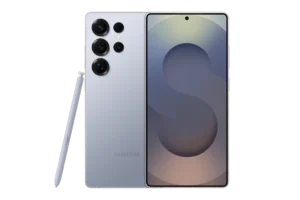
The Verdict: The most capable and versatile Android flagship, packed with productivity-focused features like the built-in S-Pen, making it ideal for professionals and creatives.
In Depth Analysis:
The Galaxy S25 Ultra is a desktop computer in your pocket. Its defining feature, the integrated S-Pen, transforms it for note-taking, precise photo editing, and remote control. Samsung’s Galaxy AI suite is deeply integrated, offering real-time call translation, transcription, and generative photo editing that feels genuinely useful. The quad-camera array, led by a 200MP main sensor, is phenomenally versatile. Its bright, flat display is perfect for both media consumption and work.
Key Specifications Table:
| Feature | Specification |
|---|---|
| Display | 6.8-inch Dynamic AMOLED 2X (120Hz, flat) |
| Chipset | Snapdragon 8 Gen 4 for Galaxy / Exynos 2500 |
| Main Camera | 200MP (Wide), 50MP (Periscope Telephoto), 12MP (Ultra-Wide) |
| Battery Life | Up to 24 hours typical use |
| Software Support | 7 years of OS & security updates |
Pros:
- Versatile, professional-grade camera system.
- S-Pen adds unique productivity and creative potential.
- Extensive, customizable software (One UI) with powerful AI features.
- Excellent display quality.
Cons:
- One of the most expensive smartphones on the market.
- The boxy design can be uncomfortable to hold.
- Software can feel complex and overwhelming to new users.
3. Google Pixel 10 Pro: The AI Maestro

The Verdict: The smartest smartphone, offering the most intuitive and helpful AI features in the cleanest, most user-friendly version of Android.
In Depth Analysis:
Google proves that hardware is only part of the equation. The Pixel 10 Pro uses its bespoke Google Tensor G4 chip not for raw gaming power, but to fuel on-device AI that feels magical. Features like “Call Screen,” “Hold for Me,” and “Magic Editor” in photos are seamlessly integrated and genuinely save time. The camera, while using smaller sensors than rivals, produces consistently stunning, true-to-life photos thanks to Google’s computational photography mastery. It is the purest Android experience available.
Key Specifications Table:
| Feature | Specification |
|---|---|
| Display | 6.7-inch Super Actua Display (120Hz LTPO) |
| Chipset | Google Tensor G4 |
| Main Camera | 50MP (Wide), 48MP (Ultra-Wide), 48MP (Telephoto) |
| Battery Life | Up to 27 hours with Extreme Battery Saver |
| Software Support | 7 years of OS, feature & security updates |
Pros:
- Best-in-class, genuinely useful AI and software experience.
- Consistently excellent point-and-shoot camera performance.
- First to receive Android updates and new Google features.
- Clean, bloat-free Android interface.
Cons:
- Raw performance and gaming capabilities trail the competition.
- Battery life, while improved, is not class-leading.
- Design is more functional than luxurious.
4. OnePlus 15: The Speed and Endurance Champion

The Verdict: A performance beast with the fastest charging on the market and a massive battery, designed for users who hate waiting and need their phone to last.
In Depth Analysis:
OnePlus returns to its “Never Settle” roots with the OnePlus 15. Its Snapdragon 8 Gen 4 chip is tuned for unthrottled performance, making it a favorite for mobile gamers. The headline feature is its 150W SUPERVOOC charging, which can fill the massive battery from 0 to 100% in under 20 minutes. The sleek, alert slider-equipped design and highly optimized OxygenOS (based on Android 15) provide a smooth, fast, and satisfying user experience that prioritizes speed above all.
Key Specifications Table:
| Feature | Specification |
|---|---|
| Display | 6.8-inch Fluid AMOLED (120Hz LTPO) |
| Chipset | Qualcomm Snapdragon 8 Gen 4 |
| Main Camera | 50MP (Sony LYT-900), 50MP (Ultra-Wide), 64MP (Periscope Telephoto) |
| Charging | 150W wired, 50W wireless |
| Software Support | 4 years of OS updates, 5 years of security |
Pros:
- Blazing-fast wired and wireless charging.
- Top-tier gaming and application performance.
- Clean, fast software with useful customizations.
- Excellent value for a near-flagship experience.
Cons:
- Camera system is very good but not the absolute best.
- Global availability can be limited in some regions.
- Software update policy is shorter than Google/Samsung.
5. Oppo Find X9 Pro: The Photography Powerhouse

The Verdict: The undisputed champion for mobile photography enthusiasts, offering computational photography mastery and hardware excellence that sets a new standard for still photos and portrait shots.
In Depth Analysis:
The Oppo Find X9 Pro is built around its groundbreaking quad-camera system co-developed with Hasselblad. Its secret weapon is a dual periscope telephoto lens system—one for portrait (50mm) and one for long-range (135mm)—giving it unmatched optical versatility. Combined with Oppo’s HyperTone Image Engine, it produces photos with breathtaking dynamic range, natural colors, and exceptional detail in both bright and low-light conditions. The sleek ceramic build and curved display make it as beautiful to hold as the images it captures are to view.
Key Specifications Table:
| Feature | Specification |
|---|---|
| Display | 6.82-inch LTPO AMOLED (1-120Hz) |
| Chipset | MediaTek Dimensity 9400 / Snapdragon 8 Gen 4 |
| Main Camera | 50MP (LYT-900), 50MP (Ultra-Wide), 50MP (Portrait Periscope), 50MP (Telephoto Periscope) |
| Battery & Charging | 5,500 mAh, 100W wired, 50W wireless |
| Software Support | 4 years of OS updates, 5 years of security |
Pros:
- Best-in-class still photography and portrait capabilities.
- Incredibly fast 100W charging.
- Premium, distinctive design and build quality.
- Excellent battery life.
Cons:
- Software update policy is shorter than key competitors.
- Limited availability in some North American markets.
- Video recording, while excellent, is slightly behind Apple and Samsung.
6. Apple iPhone 17: The Mainstream Marvel
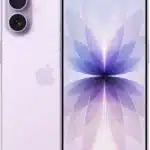
The Verdict: The best iPhone for most people, delivering nearly all the Pro-level performance and features in a more affordable and manageable package.
In Depth Analysis:
The standard iPhone 17 represents Apple’s most significant year-over-year upgrade to its non-Pro model. It inherits the A18 Pro chip from the previous year’s flagship, making its performance leapfrog most current Android rivals. The new 48MP main camera with a larger sensor captures significantly more light, and the addition of Photographic Styles allows for more personalized color profiles. Running the latest iOS 18 with Apple Intelligence features, it offers the seamless ecosystem experience iPhone users love, without the premium price or heft of the Pro Max.
Key Specifications Table:
| Feature | Specification |
|---|---|
| Display | 6.1-inch Super Retina XDR (120Hz ProMotion) |
| Chipset | Apple A18 Pro |
| Main Camera | 48MP (Wide), 12MP (Ultra-Wide) |
| Battery Life | Up to 26 hours video playback |
| Software Support | 7+ years of iOS updates |
Pros:
- Exceptional performance and efficiency for the price.
- Access to the full iOS 18 and Apple Intelligence ecosystem.
- Great all-day battery life.
- Best-in-class software support and resale value.
Cons:
- Lacks a dedicated telephoto (zoom) camera.
- Charging speed is still slow compared to Android.
- The base storage (128GB) feels limiting for a 2025 flagship.
7. Samsung Galaxy S25/S25+: The Balanced Android Flagship
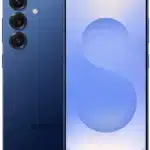
The Verdict: The perfect blend of flagship power, sleek design, and smart features for users who want top-tier Android performance without the size or price of the Ultra.
In Depth Analysis:
The Galaxy S25 and larger S25+ offer the core Galaxy experience in its most refined form. They feature the same powerful chipset as the Ultra and share the brilliant, vibrant display technology. While the camera system is slightly simplified, it still delivers outstanding results thanks to Samsung’s enhanced AI-powered image processing. The design is more compact and ergonomic than the Ultra, and they come with the same promise of 7 years of software updates, making them a fantastic long-term investment for the Android faithful.
Key Specifications Table:
| Feature | Specification (S25 / S25+) |
|---|---|
| Display | 6.2-inch / 6.7-inch Dynamic AMOLED 2X (120Hz) |
| Chipset | Snapdragon 8 Gen 4 for Galaxy |
| Main Camera | 50MP (Wide), 12MP (Ultra-Wide), 10MP (Telephoto – 3x) |
| Battery Life | Up to 22h / 26h typical use |
| Software Support | 7 years of OS & security updates |
Pros:
- Perfect flagship size and ergonomics.
- Strong performance and excellent display.
- Industry-leading software support promise.
- More affordable entry point to the Galaxy S series.
Cons:
- Camera system is less versatile than the Ultra.
- Design is very similar to the previous generation.
- The base S25 has a smaller battery.
8. Google Pixel 9a: The Budget Champion

The Verdict: The best-value smartphone on the market, offering a near-flagship Google experience, a great camera, and long software support for about half the price.
In Depth Analysis:
Google’s ‘a’-series continues to redefine the mid-range segment. The Pixel 9a packs the previous year’s Google Tensor G3 chip, which still delivers smooth performance and, more importantly, powers all of Google’s hallmark AI features like Call Screen, Magic Eraser, and Night Sight. The camera uses a proven 64MP sensor that, combined with Google’s best-in-class computational photography, rivals phones twice its price. With a promised 7 years of updates, durable build, and clean Android experience, it’s an unbeatable package for the budget-conscious buyer.
Key Specifications Table:
| Feature | Specification |
|---|---|
| Display | 6.1-inch OLED (90Hz) |
| Chipset | Google Tensor G3 |
| Main Camera | 64MP (Wide), 13MP (Ultra-Wide) |
| Battery Life | Up to 30 hours with Extreme Battery Saver |
| Software Support | 7 years of OS, feature & security updates |
Pros:
- Unbeatable price-to-performance ratio.
- Camera quality that punches far above its weight class.
- Gets the same core AI software as the flagship Pixels.
- Exceptional long-term software support.
Cons:
- Display refresh rate is lower than flagships (90Hz).
- No wireless charging.
- Plastic build feels less premium (but is very durable).
9. Samsung Galaxy Z Fold 7: The Multitasking Monarch
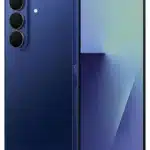
The Verdict: The most refined and powerful foldable phone, offering a transformative tablet-like experience for productivity, media, and creativity in a pocketable form factor.
In Depth Analysis:
The Galaxy Z Fold 7 is for those who want more screen real estate. When closed, it’s a capable smartphone. When opened, its 7.6-inch inner display becomes a canvas for true multitasking—running three apps side-by-side, viewing detailed documents, or enjoying immersive videos. The new, more durable Ultra-Thin Glass and stronger hinge make it feel more robust than ever. With the integrated S-Pen support and enhanced software that intelligently adapts apps for the large screen, it’s a legitimate laptop replacement for on-the-go professionals.
Key Specifications Table:
| Feature | Specification |
|---|---|
| Displays | Cover: 6.2-inch, Main Inner: 7.6-inch (120Hz) |
| Chipset | Snapdragon 8 Gen 4 for Galaxy |
| Main Camera | 50MP (Wide), 12MP (Ultra-Wide), 10MP (Telephoto) |
| Battery Life | Up to 20 hours typical use (combined) |
| Software Support | 7 years of OS & security updates |
Pros:
- Unparalleled multitasking and productivity potential.
- Premium, innovative design that feels more durable.
- Excellent battery life considering the form factor.
- S-Pen support transforms it into a creative tool.
Cons:
- Extremely expensive.
- Thick and heavy when folded compared to regular phones.
- The inner screen is still more susceptible to damage than glass.
10. Samsung Galaxy S25 FE: The Premium Mid-Range Contender
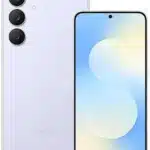
The Verdict: A “Fan Edition” that distills the most beloved flagship features into a more affordable package, offering incredible value without major compromises.
In Depth Analysis:
The S25 FE follows a winning formula: take the core pillars of the flagship S25 its design language, primary camera sensor, and chipset and present them in a value-oriented package. You get 90% of the flagship experience for 70% of the price. The plastic back keeps weight down and durability up, while the display is a smooth 120Hz panel. The camera system uses the excellent 50MP main sensor from the S25, ensuring fantastic primary photos, even if the ultra-wide and telephoto modules are simplified. It’s the smart choice for users who want near-top-tier performance on a sensible budget.
Key Specifications Table:
| Feature | Specification |
|---|---|
| Display | 6.4-inch Dynamic AMOLED 2X (120Hz) |
| Chipset | Snapdragon 8 Gen 4 / Exynos 2500 (region dependent) |
| Main Camera | 50MP (Wide), 12MP (Ultra-Wide), 8MP (Telephoto) |
| Battery & Charging | 4,500 mAh, 25W wired, 15W wireless |
| Software Support | 5 years of OS & security updates |
Pros:
- Outstanding value with flagship-caliber core performance.
- Excellent primary camera for the price.
- Great 120Hz display.
- Respectable software support commitment.
Cons:
- Build materials feel less premium than the flagship S series.
- Slower charging speeds.
- Camera system is less versatile in zoom and low-light scenarios compared to the Ultra.
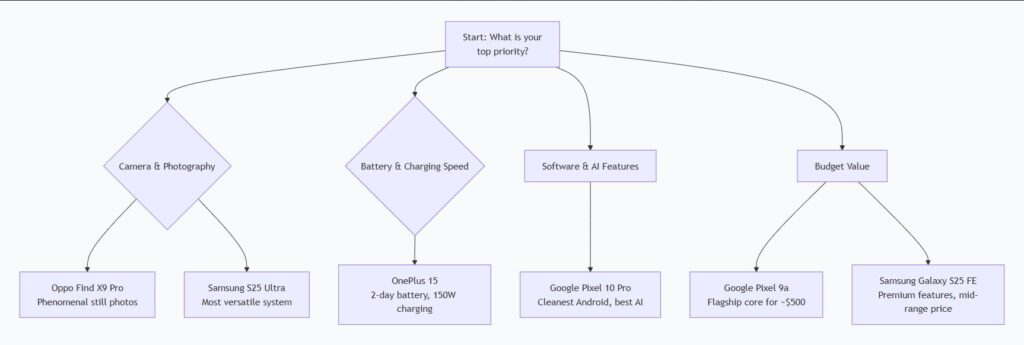
Visual Comparison: Finding Your Perfect Match
To simplify your decision, use this flowchart based on your primary need:
Conclusion and Key Takeaways
The “best” smartphone does not exist. The best smartphone for you absolutely does. It is the one that aligns with your personal priorities, budget, and digital life.
If you want the ultimate no-compromise experience: The iPhone 17 Pro Max and Samsung Galaxy S25 Ultra are the pinnacles of their respective platforms. Choose based on your ecosystem preference and whether you value the S-Pen.
If you value intelligent software and a seamless experience: The Google Pixel 10 Pro offers a uniquely helpful and clean Android experience that feels thoughtfully designed.
If performance and battery life are your kings: The OnePlus 15 delivers elite speed and charging that can genuinely change how you use your phone.
If you are budget-conscious but refuse to compromise on quality: The Google Pixel 9a and Samsung Galaxy S25 FE demonstrate that you do not need to spend $1,000 to get a fantastic, long-lasting device.
Final Advice: Use the guidance in this article to narrow your choice to two finalists. Then, if possible, visit a store to hold them. Feel the design, test the camera interface, and experience the screen. That final hands-on feel will confirm your decision and ensure you invest in a phone that brings you joy and utility every single day.